
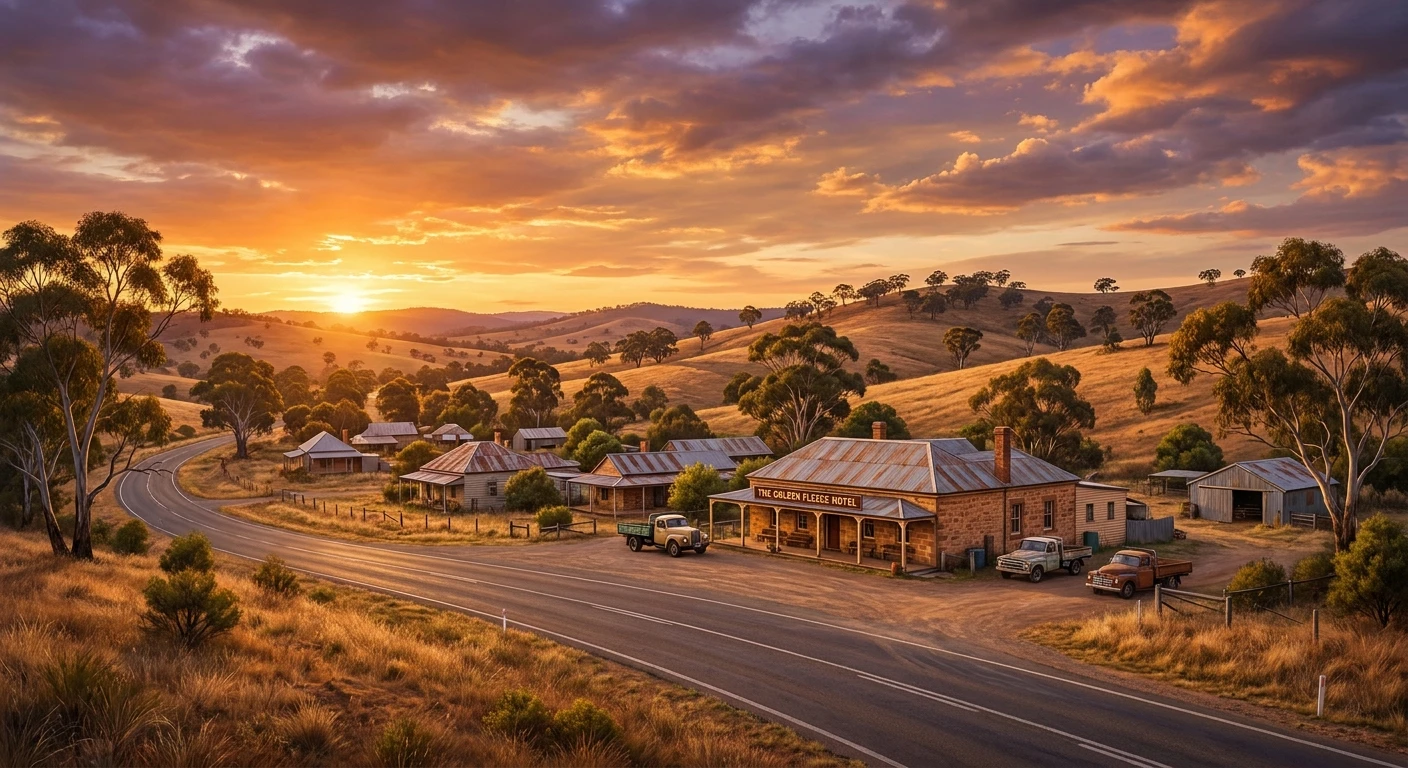
The Ultimate Guide to Willow Tree NSW
Finding the perfect rural escape can feel like searching for a needle in a haystack. But when you set your sights on Willow Tree NSW, you get exactly what modern travelers and property buyers are seeking: a pristine, quiet haven nestled right in the agricultural heartland. Sitting gracefully on the New England Highway, halfway between the bustling rural hubs of Scone and Tamworth, this location offers an unparalleled mix of accessibility and peace. A mere 308 people call it home, creating an atmosphere that feels incredibly welcoming from the moment you arrive. This guide outlines everything you need to know about navigating the local landscape, understanding the economic factors at play, and planning a seamless visit to the Liverpool Plains. We detail the historical context that shaped the streets, the geographical advantages that make the soil so valuable, and the specific steps you should take if you are thinking about spending a weekend—or a lifetime—in this vibrant regional pocket. The balance of heritage architecture, open pastures, and strong community ties creates a compelling argument for leaving the crowded city limits behind. Whether you are a seasoned road-tripper looking for a scenic stopover or an investor eyeing the rural real estate market, this destination demands your attention. The community stands as a testament to the enduring appeal of country living.
Why This Community Matters
Moving past the scenic highway views, the core appeal of the township lies in its profound blend of agricultural wealth and tight-knit community living. The tiny NSW town’s success stems directly from its strategic placement within the Liverpool Plains, a region globally recognized for its incredibly fertile black soils. This agricultural backbone supports a robust local economy, creating a surprisingly dynamic real estate market for such a small population. For buyers, browsing the latest properties for sale in Willow Tree reveals a landscape defined by spacious pastoral acreage and charming heritage homes, offering genuine value compared to metropolitan areas.
Read also: Mastering brisbane house prices Fast; Who is fiona mcdonald? Life, Work, and Legacy.
| Aspect | Key Metric | Regional Context |
|---|---|---|
| Demographics | 308 to 327 Residents | Creates a highly personalized, secure neighborhood environment where community ties remain incredibly strong. |
| Real Estate | $570,000 Average Price | Offers substantial acreage and historical charm for investors looking for affordable entry into rural markets. |
| Economics | $961 Weekly Average Income | Driven heavily by strong agricultural outputs, logistics, and local independent businesses servicing the highway. |
The value proposition here is twofold. First, you gain direct access to premier agricultural land, which supports everything from hobby farming to large-scale crop production. Second, you secure a lifestyle defined by tranquility without sacrificing highway connectivity. Consider these fundamental advantages:
- Strategic Highway Access: Positioned directly on the New England Highway, ensuring easy transit for both freight and tourism between Sydney and the northern regions.
- Exceptional Soil Quality: Located in the Liverpool Plains, yielding high-grade crops, premium livestock pasture, and securing the financial future of the district.
- Community Cohesion: With a small, dedicated population, local events and businesses receive massive, highly concentrated support from friendly locals.
This unique combination of factors ensures that the village is never just a passive dot on the map. Instead, it operates as an active, self-sustaining hub where residents continually shape the future of their environment.
Tracing the Roots: History and Origins
Early Origins of the Settlement
Before the arrival of European settlers, the broader Liverpool Plains region was cared for by the Kamilaroi people, who maintained deep cultural and environmental connections to the fertile lands. When European explorers eventually crossed the Great Dividing Range, they immediately recognized the vast agricultural potential of the sweeping plains. Pastoralists quickly established massive sheep and cattle runs, laying the groundwork for a rural economy that still dominates the landscape today. Small inns and way stations began popping up to service the stockmen, teamsters, and travelers passing through the area, establishing an early tradition of rural hospitality.
Evolution Alongside the Railway
The true catalyst for permanent settlement arrived in the late nineteenth century with the expansion of the northern railway line. As the tracks pushed through the Liverpool Plains in the 1870s, the village began to formalize around the new transport infrastructure. The railway allowed farmers to transport their premium wool, beef, and wheat directly to coastal ports, bringing sustained wealth to the district. Historic buildings, some of which still proudly stand along the main thoroughfare, reflect the architectural optimism and financial stability of this booming agricultural era. The railway cemented the location as a critical staging point for goods moving out of the plains.
The Modern State of the Village
Today, the settlement has transitioned into a picturesque highway township that honors its rich pastoral heritage. It is situated roughly 14 kilometres south of Quirindi, functioning as a vital southern gateway to the vast expanse of the Liverpool Plains. While the massive historic pastoral holdings have been heavily modernized to utilize current farming technologies, the core identity of the village remains fundamentally tied to the land. The current population actively preserves the historic charm while enthusiastically embracing modern agritourism, ensuring that the legacy of the original pioneering families continues to thrive in a contemporary context.
Scientific and Economic Deep Dive
Demographic and Economic Indicators
Analyzing the statistical backbone of the area provides a clearer picture of its operational health. Data indicates that the local workforce is heavily integrated into the agricultural, hospitality, and transport sectors. According to recent census metrics, residents are earning around $961 per week, a figure that solidly reflects the steady, reliable nature of rural industries compared to volatile urban markets. The household composition is also remarkably consistent, averaging exactly 2.2 people per household. This suggests a balanced demographic mix of working professionals managing local businesses, traditional farming families tending to multi-generational land, and retirees seeking a much quieter pace of life away from the heavily congested eastern seaboard.
Environmental and Agricultural Dynamics
From a purely scientific standpoint, the Liverpool Plains represent one of the most significant topographical features in Australia. The region is characterized by incredibly deep, self-mulching black cracking clays, which are globally renowned for their exceptionally high water-holding capacity. While the town’s name might immediately evoke images of a large deciduous tree commonly found near watercourses, the actual native flora consists predominantly of hardy eucalyptus species and resilient native grasses perfectly adapted to the distinct wet and dry seasonal cycles of the inland climate.
Key environmental and geographic metrics include:
- Soil Composition: Dominated by rich vertosols (black soils) that dynamically expand when wet and crack when dry, providing natural aeration for deep-rooted crops.
- Hydrology: Supported heavily by the Mooki River catchment system, which delivers vital groundwater resources for widespread agricultural irrigation.
- Elevation and Climate: Sitting at an elevation that provides slightly cooler winter temperatures compared to the coastal plains, allowing for highly diverse crop rotations.
- Topography: Characterized by flat, sweeping plains bordered by dramatic, ancient basalt ridges, creating localized microclimates favorable for specialized farming.
These precise environmental factors ensure the district remains highly productive and drought-resilient compared to other inland regions.
Your 7-Step Guide to Visiting or Relocating
Step 1: Mapping the Transport Journey
Begin your planning by plotting the route straight up the New England Highway. Ensure your vehicle is thoroughly prepared for regional driving, as the long stretch between the Hunter Valley and the Northern Tablelands features varying gradients, heavy freight vehicles, and rural traffic. Enjoy the spectacular views as you cross the ranges.
Step 2: Evaluating the Real Estate Market
If you are seriously considering a permanent move, engage with local regional property agents early. Monitor the market for large acreage blocks or historic village homes, keeping in mind the highly competitive $570,000 average price point. Speed is crucial, as appealing rural properties often sell quickly to city investors.
Step 3: Engaging with Local Tourism Options
Consult trusted travel platforms to find the best Willow Tree resource for booking boutique accommodations. Securing your lodging well in advance is highly recommended, especially during peak harvest seasons when contractors and tourists flock to the region to enjoy the hospitality.
Step 4: Assessing Employment and Income Needs
Analyze the local job market, which leans heavily toward agronomy, heavy transport logistics, and rural support services. Remote workers should also verify their preferred telecommunications coverage for the specific rural block they intend to purchase, as rural internet can vary significantly depending on line of sight to towers.
Step 5: Planning the Climate Transition
Prepare your wardrobe and property for the distinct seasonal shifts of the plains. Pack warm, insulated layers for crisp, frosty winter mornings and ensure you have adequate sun protection for the intense, dry summer heat that characterizes the peak growing seasons in New South Wales.
Step 6: Participating in Community Events
Integrate directly into the fabric of the village by enthusiastically attending local markets, regional agricultural shows, and traditional pub raffles. These grassroots gatherings are the absolute best way to build genuine relationships with the locals and learn the unwritten rules of country living.
Step 7: Finalizing Logistical Services
Determine your closest major service hubs immediately upon arrival. While the village provides fantastic daily essentials and great dining, you will need to map out the short, scenic drives to nearby Quirindi or Tamworth for specialized medical services, large supermarkets, and major hardware supplies.
Common Myths and Reality
Myth: The village is just a quick refueling stop on the highway with nothing to offer visitors.
Reality: It boasts a highly acclaimed culinary scene, including award-winning local pub dining and boutique cafes that draw dedicated food enthusiasts from across the state.
Myth: Rural property here is entirely unaffordable for regular residential buyers.
Reality: While large-scale agricultural operations command massive premium prices, residential village blocks offer highly accessible entry points compared to coastal city suburbs.
Myth: Living in such a small community means total isolation from modern conveniences.
Reality: The strategic position on a major national highway ensures continuous access to high-quality freight, internet infrastructure, and rapid transit to major regional centers.
Myth: The local economy is entirely dependent on a single type of crop.
Reality: The incredibly rich soil of the Liverpool Plains supports a highly diversified agricultural portfolio, including beef, sorghum, wheat, and sunflowers, insulating the local economy from singular market crashes.
Frequently Asked Questions
Where exactly is this village located?
It is beautifully positioned directly on the New England Highway in New South Wales, roughly halfway between the towns of Scone and Tamworth.
What is the current population?
Recent demographic data indicates the population fluctuates tightly between 308 and 327 permanent residents.
What drives the local economy?
Agriculture is the absolute primary economic driver, heavily supported by highway tourism, hospitality, and regional transport logistics.
Is the area prone to extreme weather?
Like much of regional Australia, it experiences distinct seasons, with hot summers and frosty winters, though the incredibly deep soils mitigate some severe drought impacts.
Can I buy property in the town center?
Yes, residential properties frequently enter the market, offering a wonderful mix of historic homes and modern builds for prospective buyers.
Are there local dining options?
Absolutely. The local hospitality scene is highly regarded, offering premium, locally sourced produce in fantastic heritage settings.
How far is the nearest major airport?
Tamworth Regional Airport is the closest major aviation hub, located about an hour’s easy drive to the north along the highway.
What kind of farming is most common?
The surrounding fertile plains support massive broadacre cropping, including wheat and sorghum, alongside premium beef cattle production.
Conclusion
Embracing the charm of Willow Tree NSW means stepping straight into a vibrant community built on some of the richest agricultural land in the country. Whether you are driving through on a quick weekend getaway or actively scouting for a permanent tree change, the village offers a perfect blend of historic heritage, robust community spirit, and genuine economic stability. Plan your itinerary today, generously support the local businesses, and experience the unparalleled tranquility of the Liverpool Plains for yourself!