Planning Your Trip for Snow in Stanthorpe
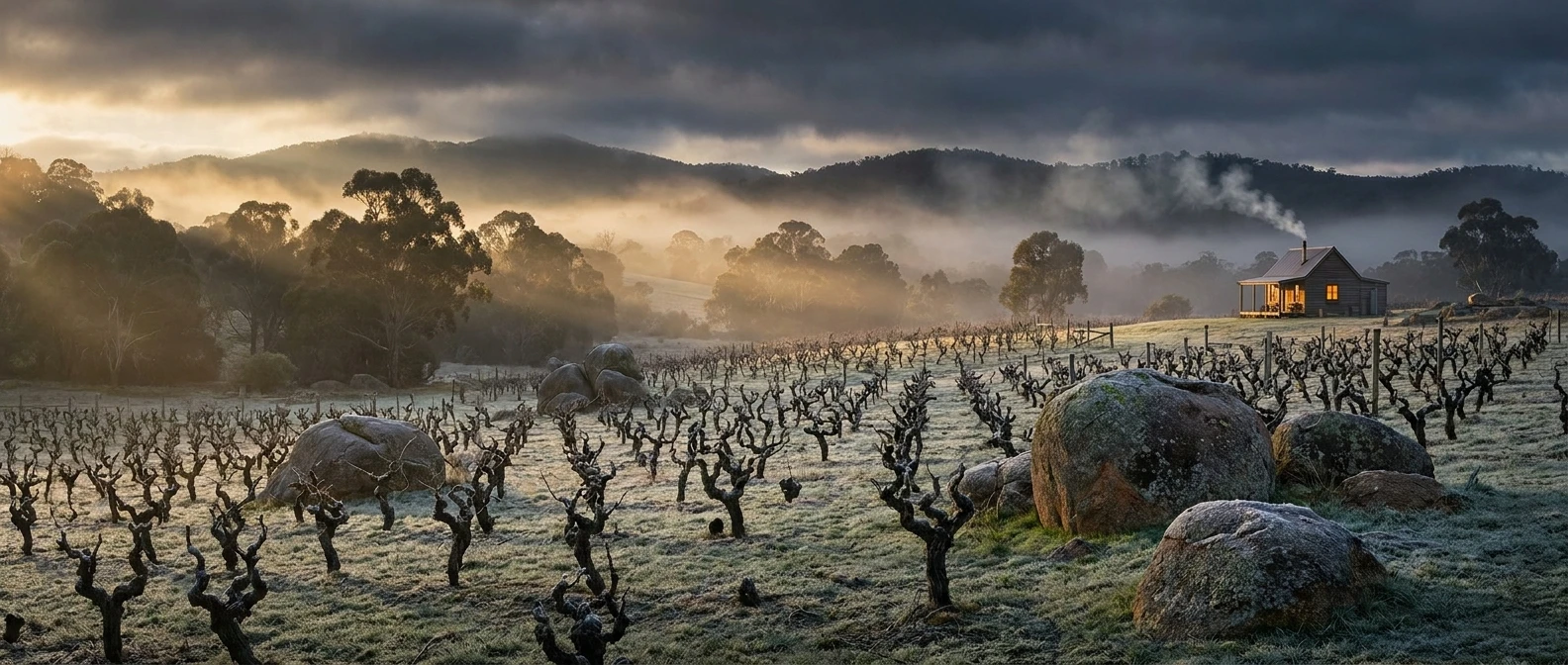
Finding snow in Stanthorpe is one of the most exciting and highly anticipated meteorological events a Queenslander can experience. When the mercury drops rapidly and the atmospheric forecast aligns perfectly, the Granite Belt region transforms into a stunning winter wonderland that feels completely disconnected from the sunshine state’s usual tropical and humid reputation. If you are planning a journey to see this rare phenomenon, you need to understand the precise weather conditions, the exact timing, and the best geographical vantage points to make your journey completely successful. It is certainly not an everyday occurrence, which is exactly why chasing this elusive and frosty weather event has become a beloved tradition for thousands of eager visitors who flock to the elevated region during the absolute coldest months of the year. The sheer thrill of waking up to a crisp, white dusting settling gently over the rolling vineyards and massive granite boulders is entirely unmatched anywhere else in the state. In this highly comprehensive and practical guide, we meticulously map out absolutely everything you need to know to maximize your chances of catching the white flakes falling. From reading complex barometric pressure charts to booking the absolute best cozy cabin equipped with a roaring wood fireplace, every single detail matters when you are hunting for that magical frosty morning.
Understanding the fundamental mechanics of winter tourism in the Granite Belt is crucial for any aspiring weather chaser. The value proposition of booking a winter holiday here is wonderfully twofold. First, it offers families, photographers, and romantic couples an authentic cold-climate experience complete with steaming hot cocoa, thick woollen scarves, and icy breaths, all without the massive expense of interstate flights or international travel. Second, the local agricultural and hospitality economy thrives immensely on this seasonal influx of enthusiastic tourists. This means that winter visitors are warmly greeted with exceptional country hospitality, incredible seasonal food menus featuring hearty local produce, and specialized boutique wine tastings explicitly designed to warm you from the inside out. Let us break down the optimal historical conditions and what you should expect when planning your alpine adventure.
Read also: Mastering brisbane house prices Fast; The Ultimate subaru hybrid Guide.
| Winter Month | Average Low Temperature | Snow Probability |
|---|---|---|
| June | 2 Degrees Celsius | Low to Moderate |
| July | 0 Degrees Celsius | Highest Probability |
| August | 1 Degree Celsius | Low Probability |
To fully and safely prepare for this thrilling adventure, you must equip yourself with the correct knowledge and specialized gear. Here is exactly what you need to organize before you hit the highway:
- Comprehensive Wardrobe Layering: Unlike the breezy coast, the biting wind chill on the Granite Belt cuts deep into your bones. You must pack high-quality thermal undergarments, heavy windproof outer shells, and insulated waterproof footwear to stay completely comfortable while standing on freezing hillsides waiting for the spectacular dawn light.
- Vehicle Readiness and Winter Safety: Ensure your car battery is in absolute peak condition. Sub-zero overnight temperatures can instantly kill a weak battery, leaving you stranded on a remote dirt road. Keep your antifreeze levels topped up appropriately and ensure your tires have deep treads to handle the slippery, frost-covered bitumen safely.
- Flexible Itinerary Planning: You simply cannot lock in a blizzard months in advance. The most successful visitors consistently book flexible accommodation or keep their travel bags permanently packed for a spontaneous weekend dash when the Bureau of Meteorology officially issues a severe weather warning for sheep graziers.
Origins of Stanthorpe’s Winter Reputation
The stellar reputation of this beautiful region as the absolute coldest place in Queensland was firmly established long before modern tourism ever took hold. Early agricultural pioneers and rugged settlers quickly realized that the elevated plateau of the Great Dividing Range brought harsh, biting winters that completely contrasted with the balmy coastal lowlands they had originally navigated. They ingeniously planted sprawling stone fruit orchards and lush vineyards that specifically required these exact chilling hours to successfully produce high-yield, delicious crops. The engaging folklore of freezing winters quickly became heavily ingrained in the local cultural identity, proudly earning the bustling town its famous historical nickname regarding the notoriously freezing ‘brass monkey season’. When the very first major meteorological records began to be reliably documented by early scientists, it became blindingly clear that this was practically the only viable location in the entire state where atmospheric conditions could consistently support solid winter precipitation.
Evolution of Regional Climate Patterns
Over the passing decades, the exact frequency of these freezing events has fluctuated quite dramatically. Detailed historical data meticulously gathered from the mid-twentieth century strongly indicates extended periods where deep freezes were slightly more common, heavily influenced by the broad cyclical nature of the El Nino Southern Oscillation and the complex Indian Ocean Dipole. The most legendary and highly discussed event occurred in July 1984, when a massive, unyielding Antarctic vortex forcefully swept across the eastern seaboard, dumping incredibly significant accumulation that remarkably lasted for several continuous days. Locals still proudly share faded, nostalgic photographs of giant snowmen built right in the bustling main street and family cars completely buried under thick, heavy white blankets. This singular historic event permanently cemented the town’s legendary status as a genuine, must-visit winter destination.
The Modern State of Granite Belt Snowfalls
Today, the thrilling occurrence remains somewhat sporadic but remains highly celebrated by locals and tourists alike. A particularly notable flurry in July 2015 brought completely unprecedented traffic jams as thousands of excited people from Brisbane and the Gold Coast rapidly drove up the Cunningham Highway in desperate hopes of catching a fleeting glimpse. Modern forecasting technology means that these highly anticipated events are practically no longer a sudden surprise; they are tracked meticulously and obsessively by amateur online meteorologists and official government forecasters alike. When the digital weather models perfectly align, social media platforms buzz with intense anticipation, and local small businesses urgently prepare for a massive, highly profitable influx of tourists eager to fully experience the spectacular chill.
The Meteorology Behind the Chill
To truly and deeply understand why the magical white flakes fall here, you must firmly grasp the fundamental meteorology governing the Australian east coast. A simple, standard cold day is simply not enough. The complex recipe requires a incredibly deep, intense low-pressure system situated perfectly over the Tasman Sea, powerfully combined with a strong high-pressure system positioned precisely over the Great Australian Bight. This highly specific synoptic atmospheric setup acts effectively as a giant funnel, dragging violently freezing, moisture-laden air directly from the icy Antarctic shelves, across the turbulent Southern Ocean, and straight up the eastern seaboard of the Australian continent. If the air mass moves too slowly, it unfortunately warms up over the land; if it moves too quickly, it absolutely might not pick up enough necessary moisture to produce anything more than a dry, bitter wind.
Geographical Elevation and Air Masses
The true, undeniable secret weapon of the beautiful region is its unique geography. Situated proudly at an impressive altitude of nearly 1,000 meters above sea level, the air here is significantly thinner and vastly colder than the surrounding coastal plains. When that freezing Antarctic moisture forcefully hits the elevated, rugged escarpment of the Granite Belt, it is physically forced upward. This intense orthographic lifting cools the air even further, rapidly pushing it past the critical dew point and straight into the necessary freezing zone.
- Freezing Level Dynamics: The atmospheric freezing level must drop drastically below 1,200 meters. If the freezing level remains higher, the precipitation simply falls merely as slushy sleet or bitterly cold, uncomfortable rain.
- Moisture Content: There must absolutely be ample residual moisture lingering in the middle atmosphere. Often, the intense cold fronts bring exceptionally dry air, which causes severe, crop-damaging frosts but absolutely zero precipitation.
- Timing of the Front: The moisture and the peak cold air pool must arrive absolutely simultaneously. If the heavy moisture passes before the frigid cold air settles, you only get rain quickly followed by bone-dry, freezing winds.
Day 1: Monitor the Antarctic Vortex
Your strategic journey begins at least a full week in advance by closely watching the global weather models. Look intently for a strong negative Southern Annular Mode and a deep, aggressive polar blast pushing rapidly north. When the Bureau of Meteorology finally starts officially mentioning a vigorous cold front rapidly moving through New South Wales, it is definitely time to get completely serious about your travel plans.
Day 2: Secure Frost-Resistant Accommodation
Do not foolishly wait for the flakes to actually start falling before frantically booking your room. By that time, absolutely every single cabin, motel, and rustic farm stay within a fifty-kilometer radius will be completely and utterly sold out. Secure your booking very early, ensuring the property has a highly reliable heating source, preferably a classic, romantic wood-burning fireplace to effectively warm up after your freezing outdoor excursions.
Day 3: Pack Sub-Zero Essential Gear
Pull out the absolute heavy-duty winter gear from storage. You specifically want thermal base layers made of pure merino wool, incredibly thick insulating mid-layers, and absolute windproof jackets. Do not forget a thick beanie that completely covers your sensitive ears, heavily insulated gloves, and thick woollen socks. Cotton is your worst enemy in these harsh conditions; it dangerously traps cold moisture right against your skin.
Day 4: Map Out High-Altitude Vantage Points
The main town center sits at roughly 800 meters, but the densely forested surrounding hills are much, much higher. Map your driving route carefully to elevated areas like Mount Tully, Eukey, or the higher rocky points of Girraween National Park. These peaks sit much closer to 1,000 meters or more, drastically increasing the chances of seeing properly settled flakes rather than just wet, melting slush.
Day 5: Arrive Ahead of the Weather Front
The massive mistake many overly eager people make is stubbornly trying to drive up the steep mountain passes while the heavy storm is actually hitting. This is incredibly dangerous and very often leads to sudden highway closures. Aim to arrive the peaceful afternoon before the front is predicted to cross, securely settling into your warm accommodation safely while the roads are still entirely clear and perfectly dry.
Day 6: Navigate Safe Driving Conditions
When you happily wake up to a freezing, beautiful morning, exercise extreme caution on the roads. Invisible black ice is a highly severe hazard on the winding, shaded country roads of the Granite Belt. Drive well below the posted speed limit, completely avoid sudden heavy braking, and generously give yourself plenty of safe distance between other vehicles. Stay exclusively on sealed roads if you are not highly experienced with muddy, highly slushy dirt tracks.
Day 7: Capture the Perfect Winter Scene
Freezing cold weather heavily drains modern lithium-ion batteries incredibly fast. Keep your expensive phone and camera batteries in an inner jacket pocket close to your warm body heat until you are absolutely ready to shoot. Aim specifically for the spectacular early morning light beautifully hitting the heavy frost-covered granite boulders and the intricate icy vineyards for the most dramatic, totally breathtaking photographs of your unforgettable trip.
Myth: It snows heavily every single winter in the Granite Belt.
Reality: While heavy, biting frosts are practically guaranteed nightly during winter, actual solid snowfalls are a rare, spectacular anomaly, typically only occurring once every three to five long years when the exact atmospheric conditions align perfectly.
Myth: You need heavy-duty alpine snow chains to drive in the region during winter.
Reality: The accumulation is very rarely deep enough to actually warrant metal chains. A standard vehicle driven carefully and sensibly is usually entirely sufficient, though a four-wheel drive is helpful for exploring isolated dirt tracks safely.
Myth: The brilliant white blanket stays perfectly on the ground for several continuous days.
Reality: Because of the high local UV index and the sub-tropical latitude, any glorious accumulation usually begins melting very rapidly the exact moment the warm morning sun aggressively breaks through the clouds. You must be completely awake at dawn to see the absolute best of it.
Myth: The entire town center always gets covered in deep, massive drifts.
Reality: It is usually just a very light, pretty dusting of a few mere centimeters, mostly concentrated selectively on the highest rugged peaks and elevated ridges rather than the lower town center.
When is the best time for snow in Stanthorpe?
The absolute highest probability is squarely between late June and mid-August, heavily peaking in July when the deepest, coldest air masses typically push aggressively north directly from Antarctica.
Does it actually snow in Queensland?
Yes, it absolutely does. While extremely rare, the high-altitude, rocky areas along the southern border are practically the only places in the entire massive state where this beautiful phenomenon naturally occurs.
How cold does the region actually get?
Overnight temperatures during winter frequently drop drastically to minus four or minus five degrees Celsius, though the fierce wind chill factor can make it feel significantly colder, sometimes pushing perceived temperatures down to minus ten degrees.
Where is the absolute highest point near town?
Mount Tully is easily one of the highest safely accessible points, making it a massively popular spot for dedicated weather watchers seeking the absolutely coldest temperatures and the very best chance of heavy accumulation.
Are the local roads frequently closed during these events?
Occasionally, the main highway may be temporarily closed due to dangerous black ice or hazardous driving conditions, but it is usually quickly reopened by authorities once the morning sun rises and the slick ice melts.
Do I need to buy special winter tires?
No special winter alpine tires are legally required, but your standard vehicle tires must have exceptionally good tread, and you absolutely should lower your driving speed significantly to maintain maximum traction on slippery, wet surfaces.
What else is there to do in winter?
Beyond obsessive weather watching, the gorgeous region is deeply famous for its spectacular award-winning wineries, delicious artisanal cheese factories, remarkably cozy local cafes, and the truly breathtaking hiking trails of Girraween National Park, which are absolutely stunning in the crisp winter air.
Finding the absolute perfect winter escape in Queensland definitely takes a bit of careful planning, constant weather monitoring, and a lot of incredible luck, but the ultimate reward is absolutely spectacular. Keep your eyes closely peeled on the latest weather charts, pack your absolute warmest woolen layers, and get completely ready for a fantastic, unforgettable frosty adventure in the uniquely beautiful Granite Belt! Book your trip immediately when the cold front appears!