
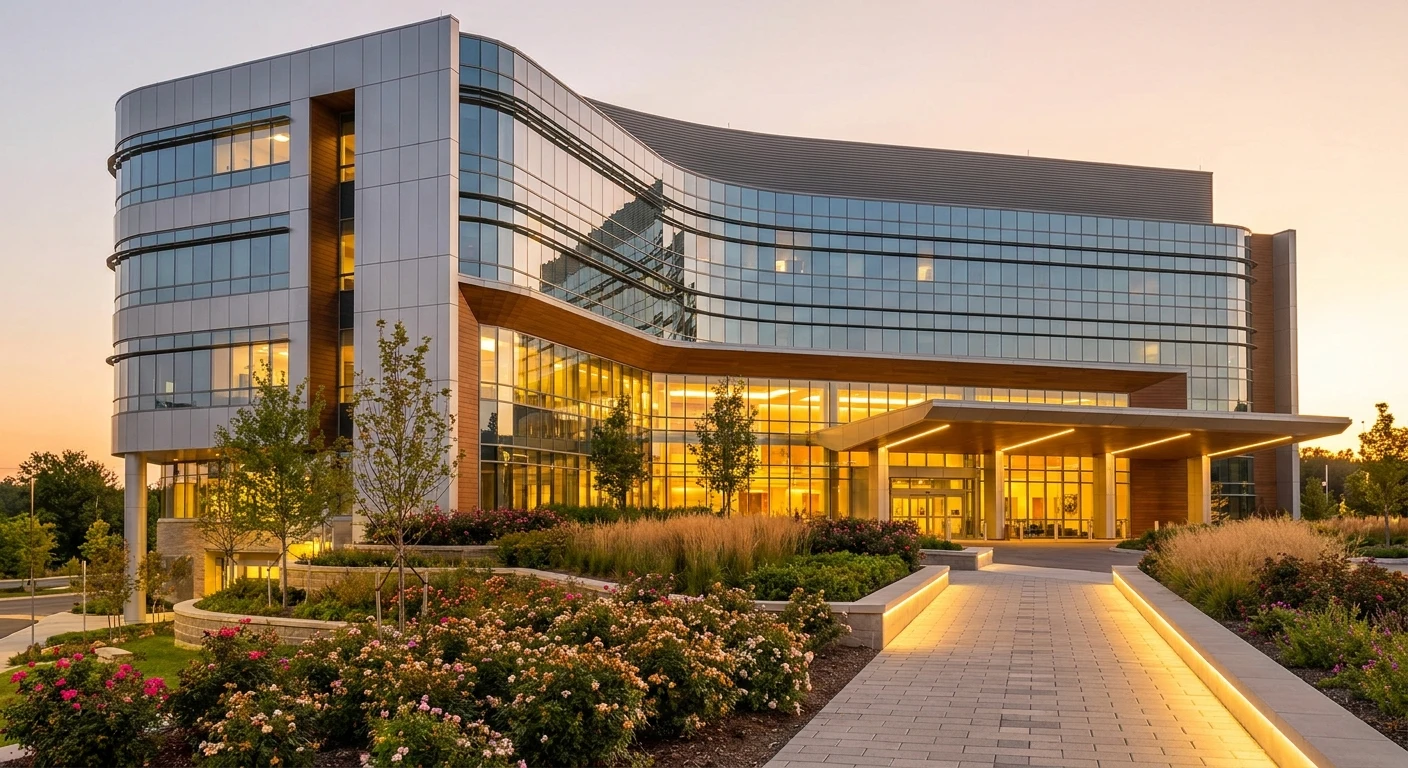
Blacktown Hospital: Delivering Excellence in Healthcare
Finding a trusted medical facility is a priority for any community, and Blacktown Hospital stands as a cornerstone of advanced patient care in the Western Sydney region. As the demographic landscape of the area expands, the demand for comprehensive, top-tier medical intervention grows alongside it. This facility has continually adapted to meet these pressing clinical requirements, offering everything from acute emergency medicine to specialized surgical interventions and holistic rehabilitation programs.
Quality healthcare relies on a seamless integration of expert clinical staff, state-of-the-art diagnostic equipment, and a patient-centered philosophy. The overarching mission here is to prioritize patient safety while maximizing therapeutic outcomes. Visitors and patients alike benefit from an environment designed to foster healing, reduce clinical anxiety, and streamline the administrative processes associated with hospital admissions. Every department operates with a highly coordinated approach, ensuring that critical data is shared efficiently among specialists, nurses, and allied health professionals.
Read also: Understanding a Dent in Head: Causes and Cures; Missing Fisherman Search Protocols and Rescue Operations.
Navigating a large medical campus can often feel overwhelming, but understanding the infrastructure and available resources empowers patients to advocate for their health. From the moment a patient steps through the doors, a meticulously designed triage and support system guides them toward the appropriate level of care. This commitment to clinical excellence makes the facility a vital asset to public health, setting rigorous standards for medical practice and community wellness.
Understanding the Core Medical Services and Patient Benefits
The operational framework of this medical institution revolves around specialized clinical departments, each engineered to address specific health crises and chronic conditions. A major value proposition of the campus is its ability to offer multidisciplinary care under one roof. For instance, the Cardiology unit provides seamless transitions from the emergency room to the catheterization laboratory and eventually to cardiac rehabilitation. Similarly, the Maternity ward offers continuous support from prenatal screenings through labor, delivery, and specialized neonatal intensive care.
By centralizing these diverse medical disciplines, the facility minimizes the need for patient transfers, thereby reducing physical stress and mitigating the risk of clinical complications. Below is an overview of the primary departments and their therapeutic focus:
| Clinical Department | Specialized Treatments | Patient Focus & Outcomes |
|---|---|---|
| Emergency Medicine | Trauma resuscitation, acute cardiac care, stroke intervention | Rapid stabilization and triage for life-threatening conditions. |
| Oncology Services | Chemotherapy, radiation therapy, surgical oncology | Comprehensive cancer management with holistic support. |
| Women’s Health | Obstetrics, gynecological surgery, neonatal intensive care | Safe delivery practices and advanced maternal-fetal medicine. |
| Orthopedics | Joint replacement, fracture repair, spinal procedures | Restoring mobility and minimizing post-operative pain. |
Patients engaging with these services benefit from a highly structured continuum of care. The institution utilizes several core pillars to maintain clinical superiority:
- Acute Care Interventions: Immediate, life-saving protocols administered by specialized trauma teams operating around the clock.
- Outpatient Clinics: Preventative care and chronic disease management designed to keep patients healthy and out of the emergency department.
- Allied Health Integration: Physiotherapy, occupational therapy, and nutritional counseling woven directly into the recovery plans of admitted patients.
These pillars ensure that medical attention extends far beyond the operating table, encompassing rehabilitation and long-term wellness.
The Legacy of Western Sydney Healthcare
Early Origins of the Facility
The foundation of regional healthcare in this demographic sector began out of absolute necessity. As suburban populations surged in the mid-twentieth century, the existing medical infrastructure struggled to accommodate the rising volume of patients. Recognizing this critical gap, health authorities commissioned the construction of a dedicated community hospital. The early days of the institution were characterized by modest resources, functioning primarily as a fundamental general practice and maternity clinic. Nurses and general practitioners worked tirelessly to manage everyday medical emergencies, laying the groundwork for a culture of clinical dedication that still permeates the campus today.
Expansion and Clinical Evolution
As the surrounding municipalities grew, so too did the clinical ambitions of the campus. The late twentieth century saw a series of strategic expansions designed to elevate the facility from a localized clinic to a tertiary-level hospital. Intensive care units were retrofitted with modern monitoring equipment, and dedicated surgical theaters were constructed to handle complex procedures. During this era, the hospital also established vital partnerships with academic institutions, transforming its corridors into teaching environments where the next generation of medical professionals could refine their skills under the supervision of seasoned veterans.
The Modern State of Operations
Today, the campus is the result of multi-million dollar redevelopment projects aimed at future-proofing public health infrastructure. The architectural design now reflects a deep understanding of patient psychology, incorporating natural light, quiet recovery zones, and intuitive navigation. The modern state of operations is heavily digitized, with electronic medical records ensuring seamless communication between departments. The facility now boasts some of the highest bed capacities in the region, complete with specialized psychiatric wards, pediatric centers, and comprehensive diagnostic laboratories, functioning as an integrated health hub for millions of residents.
Advanced Medical Technology and Clinical Protocols
Diagnostic Imaging and Laboratory Diagnostics
Accurate treatment begins with precise diagnostics, and the facility has heavily invested in radiological and pathological technology to ensure rapid, accurate results. The diagnostic imaging wing features cutting-edge machinery that allows clinicians to visualize internal structures with unprecedented clarity. By utilizing high-tesla Magnetic Resonance Imaging (MRI) and multi-slice Computed Tomography (CT) scanners, radiologists can detect microscopic anomalies in soft tissues, blood vessels, and bone structures. The on-site pathology laboratories run thousands of biochemical, hematological, and microbiological assays daily. These rapid-turnaround diagnostics empower emergency physicians to make critical, life-saving decisions based on concrete metabolic data rather than mere symptomatic observation.
Surgical Innovations and Patient Monitoring
The surgical theaters represent the pinnacle of clinical engineering. Minimally invasive techniques have largely replaced traditional open surgeries for a variety of abdominal, pelvic, and orthopedic procedures. Surgeons utilize high-definition laparoscopic cameras and, in some specialized disciplines, robotic-assisted surgical platforms that offer enhanced dexterity and precision. This technological shift drastically reduces intraoperative bleeding, lowers infection risks, and shortens patient recovery times.
- Telemetry Systems: Continuous wireless cardiac monitoring allows patients to move freely while their vital signs are transmitted directly to central nursing stations.
- Automated Dispensing Cabinets: Biometrically secured pharmaceutical dispensers eliminate medication errors by ensuring the correct dosage is administered to the right patient.
- Electronic Medical Record (eMR) Integration: Real-time data sharing across all clinical disciplines ensures that every provider has instant access to a patient’s complete allergy profile, medical history, and current treatment plan.
- High-Resolution Imaging Protocols: Advanced algorithms in CT and MRI machines reduce radiation exposure while simultaneously increasing image fidelity.
A Step-by-Step Guide to Navigating Your Hospital Visit
Preparing for a hospital admission requires careful planning. Whether you are scheduled for a routine outpatient procedure or an overnight surgical stay, following a structured approach can alleviate anxiety and ensure you receive the best possible care. Here is a definitive, actionable guide to managing your hospital visit effectively.
Step 1: Pre-Admission Documentation
The process begins days before you arrive. Ensure all referral letters, specialist reports, and pre-admission forms are completed and submitted. Many facilities now offer online portals where you can securely upload your Medicare details, private health insurance information, and consent forms. Completing this early prevents administrative delays on the morning of your procedure.
Step 2: Preparing Medical History
Compile a comprehensive list of your current medications, including over-the-counter supplements and vitamins. Note down specific dosages and times of administration. Additionally, document any known allergies to medications, latex, or specific food groups. Handing this printed list to your intake nurse significantly enhances clinical safety.
Step 3: Packing Essentials for Admission
Pack a small bag with comfortable, loose-fitting clothing, non-slip footwear, and essential toiletries. Bring your physical Medicare card, any concession cards, and your personal identification. Leave all valuables, including large sums of cash and expensive jewelry, securely at home to prevent loss.
Step 4: Transportation and Parking Logistics
Familiarize yourself with the campus map before your departure. Determine whether you will require long-term parking, or if a family member will utilize the designated drop-off zones. Since parking structures can reach capacity during peak visiting hours, arriving at least forty-five minutes prior to your scheduled appointment is highly recommended.
Step 5: Checking Into the Intake Ward
Upon arrival, proceed directly to the designated admissions desk. The administrative staff will verify your identity, apply a secure patient identification wristband, and direct you to the appropriate waiting area or preoperative ward. Ensure your identification band remains securely fastened at all times.
Step 6: Understanding Your Care Team
During your stay, you will interact with numerous professionals. Learn to identify the roles of the staff based on their introductions and clinical attire. Your care team will include the attending physician, nursing staff, pharmacists, and allied health workers like physiotherapists. Do not hesitate to ask them questions regarding your treatment plan.
Step 7: Discharge and Post-Care Follow-up
Before leaving the facility, you must receive a formal discharge summary. This document outlines the care you received, details your new medication regimen, and specifies dates for required follow-up appointments. Ensure you understand all wound care instructions and know exactly who to contact if you experience unexpected symptoms at home.
Clarifying Common Misconceptions
Navigating the healthcare system often means navigating a maze of misinformation. Understanding how major clinical institutions actually operate helps set appropriate expectations for patients and their families.
Myth: Emergency rooms operate strictly on a first-come, first-served basis.
Reality: Emergency departments function on a rigorous clinical triage system. Patients presenting with immediately life-threatening conditions, such as severe trauma or cardiac arrest, are always treated before those with minor ailments, regardless of their arrival time.
Myth: Teaching hospitals compromise patient safety by allowing inexperienced students to dictate care.
Reality: Academic clinical environments are among the safest medical institutions. Students and junior doctors operate under the direct, constant supervision of highly experienced senior consultants, ensuring that treatment plans adhere to the most rigorous, up-to-date medical standards.
Myth: Public healthcare facilities lack modern specialized equipment.
Reality: Major public health campuses undergo continuous, multi-million dollar infrastructure upgrades. They frequently house the most advanced radiological imaging equipment, specialized intensive care units, and sophisticated surgical theaters available in the region.
Frequently Asked Questions
What are the general visiting hours?
Standard visiting hours typically run from morning until early evening, though specialty wards like the Intensive Care Unit (ICU) and Maternity may enforce stricter, customized schedules to prioritize patient rest and clinical procedures. Always check the specific ward guidelines before planning a visit.
Is parking available on campus?
Yes, secure multi-story and ground-level parking facilities are available for patients and visitors. Hourly and daily rates apply, with specific drop-off zones clearly marked near the main entrances and emergency department.
Does the facility offer maternity services?
Absolutely. The campus features a comprehensive women’s health division, including specialized labor and delivery suites, postnatal recovery wards, and a fully equipped neonatal intensive care unit for high-risk pregnancies.
How can patients access their medical records?
Patients have the legal right to request their clinical records. This is typically achieved by submitting a formal written application through the hospital’s clinical information or medical records department, accompanied by appropriate photo identification.
Are there cafeteria and dining options?
The main concourse includes a large cafeteria serving hot meals, beverages, and healthy snacks. Additionally, smaller coffee carts and vending machines are strategically located throughout the campus for out-of-hours convenience.
Does the emergency department operate 24/7?
Yes, the emergency department is fully operational twenty-four hours a day, seven days a week, including all public holidays, to manage acute and life-threatening medical crises.
What transport options serve the campus?
The campus is heavily integrated with the local public transit network. Dedicated bus stops are located directly outside the main entrances, connecting the facility to major regional train stations and commercial hubs.
Securing high-quality medical care requires trust, preparation, and an understanding of the available clinical resources. Blacktown Hospital continues to evolve, bringing exceptional, technologically advanced healthcare directly to the community. If you require medical attention, specialist consultation, or routine diagnostic services, do not delay your care. Contact your primary care physician for a referral or reach out to the hospital’s administration desk today to schedule your next appointment.