
Why You Need a Sunrise Alarm Clock Right Now
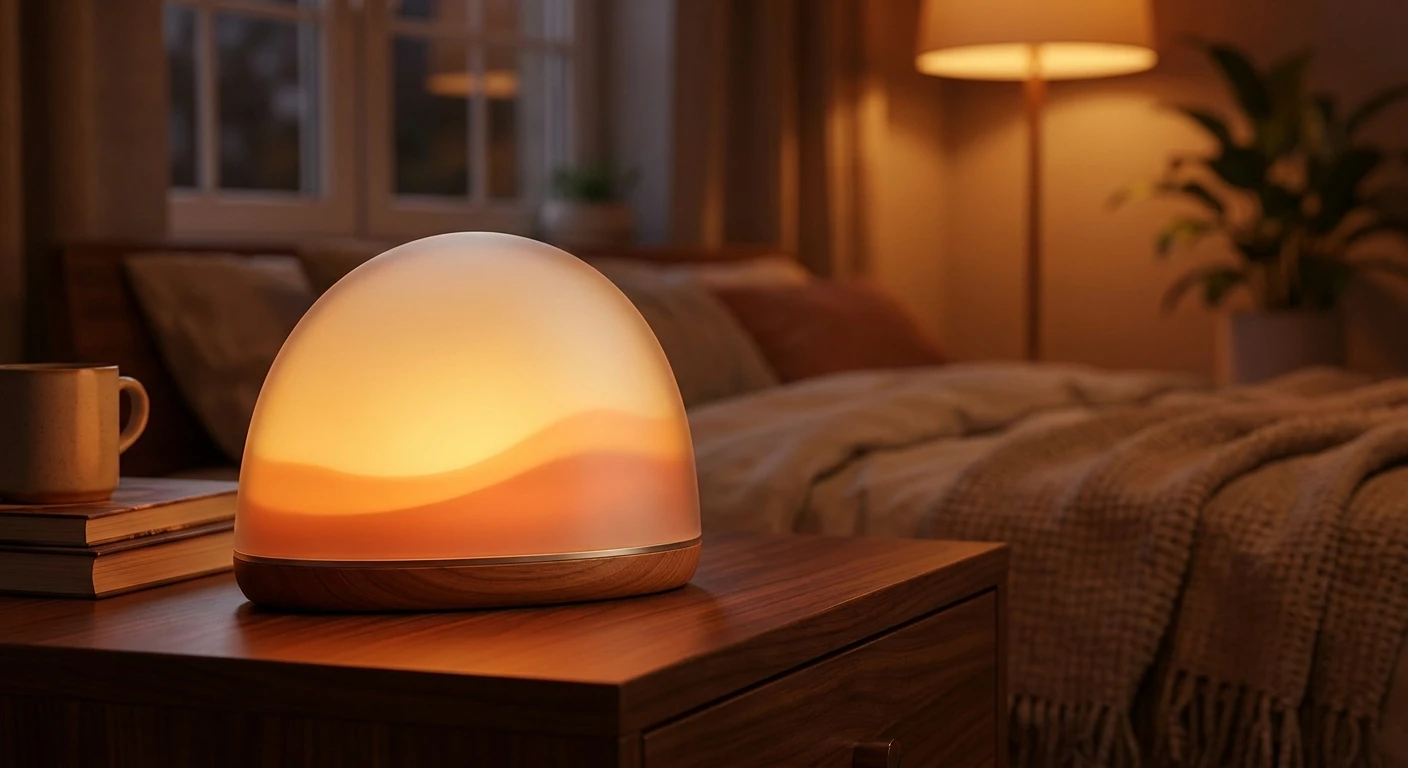
Are you tired of jolting awake to a blaring noise when a gentle sunrise alarm clock could completely change your mornings? Think about how your smartphone audio alert makes you feel right now. Your heart races, your stress levels spike immediately, and your first instinct is to smash the snooze button as fast as humanly possible. It is a hostile, aggressive way to begin your day, abruptly pulling you out of deep sleep cycles and leaving you groggy for hours. Waking up to simulated natural light aligns perfectly with human biology, dramatically improving your morning mood, sustained energy levels, and overall nighttime sleep quality. By swapping that sudden, jarring noise for a gradual light increase, you are signaling to your brain that morning has arrived in the most natural way possible. You are essentially bringing the biological power of the sun straight into your bedroom, completely regardless of the winter season or the gloomy weather outside. You do not have to struggle to pull yourself out from under the heavy blankets anymore; you can wake up feeling genuinely rested, alert, and ready to tackle your daily tasks. The shift from an aggressive audio noise to a peaceful, growing light is a massive, highly effective upgrade for your daily routine, setting a calm, positive tone for everything else you need to accomplish throughout your day.
How These Devices Actually Work for Your Sleep
The core concept behind these devices is beautifully simple, yet it is backed by solid, rigorous sleep physiology. A traditional alarm pulls you out of whatever sleep stage you happen to be in, often leaving you suffering from intense sleep inertia. A light-based device takes a completely different approach. It starts glowing faintly about thirty to forty-five minutes before your actual target wake-up time. It begins with a deep, dim red hue, smoothly shifting through warm oranges, and finally reaching a bright, crisp yellow or pure white. By the time the actual audible backup tone goes off—if you even need it—your brain has already shifted naturally out of deep sleep and into a light wakefulness.
Read also: Find Out What Is Micellar Water Right Now; Fact Check: how much caffeine in matcha.
| Key Feature | Biological Sleep Benefit | Example Device Match |
|---|---|---|
| Gradual Light Increase | Signals the brain to naturally stop producing melatonin, heavily reducing morning grogginess. | Philips SmartSleep HF3520 |
| Red-to-White Spectrum Shift | Perfectly mimics a real dawn spectrum, protecting your sensitive eyes from sudden harsh glare. | Hatch Restore 3 |
| Built-in Natural Soundscapes | Eases the final transition to wakefulness with soothing audio like birdsong or ocean waves. | JALL Wake Up Light |
To get the absolute most out of this bedside technology, you need to know exactly what to look for when you are shopping. There are plenty of options flooding the market, but the best ones share a few strict, non-negotiable traits. Professional reviewers who compared five top devices consistently point out that build quality and the smoothness of the light gradient matter immensely. If the light clicks on in distinct, choppy brightness steps rather than a smooth, continuous gradient, it can easily wake you up prematurely and ruin the experience.
- First, always check the maximum lux intensity rating. You absolutely want a device capable of outputting at least two hundred to three hundred lux to effectively penetrate your eyelids and properly signal your brain.
- Second, look closely for sunset simulation features. A top-tier device should also help you wind down at night by slowly dimming the light over a thirty to sixty-minute period.
- Third, ensure the backup alarm audio tracks are pleasant and high quality. If you happen to sleep deeply through the light sequence, you want to be woken by soft, acoustic chimes or forest sounds, not a harsh, cheap electronic beep.
The Origins of Dawn Simulation
The fascinating story of how we started using focused light to manipulate our sleep schedules goes back several decades. It originated in clinical medical research primarily aimed at treating patients suffering from Seasonal Affective Disorder. Doctors and researchers quickly realized that patients suffered intense lethargy and depression during the dark winter months because their internal circadian rhythms were completely thrown off by the lack of morning sunlight. The initial medical treatment involved having patients sit directly in front of massive, incredibly bright light boxes for an hour every morning. While this method was highly effective for treating the condition, it was completely impractical for a normal person’s quick morning routine.
Evolution Through the Early 2000s
Eventually, clinical researchers had a brilliant, practical idea: what if the bright light could wake the patient up gently before they even opened their eyes? The early, primitive attempts at building a functional dawn simulator were extremely clunky and difficult to use. They often involved awkwardly wiring a standard incandescent desk lamp to a loud mechanical outlet timer that would click aggressively, completely ruining the peaceful effect they were trying to achieve. However, the physiological results from these early tests were undeniable. People woke up with significantly better moods, much higher sustained energy levels, and perfectly balanced daytime hormones. Major consumer electronics companies quickly noticed the huge success of these early medical prototypes and aggressively began miniaturizing and refining the technology for the general public.
The Modern State of Wake-Up Technology
Fast forward to the present day in 2026, and the consumer devices available are nothing short of spectacular. We have moved incredibly far past simple mechanical timers and hot, inefficient incandescent bulbs. The original sunrise models have dramatically evolved into sleek, highly intelligent bedroom companions. Today, premium devices utilize advanced LED arrays that perfectly replicate the exact color temperature shifts of a real, natural sunrise. Many modern units feature smart smartphone app connectivity, allowing you to easily build intricate, customized sleep and wake routines, adjust complex light intensity curves, and select high-fidelity audio tracks. These clocks are no longer just niche medical devices for winter blues; they are essential, everyday lifestyle upgrades for anyone who seriously values their sleep health.
The Biology of the Cortisol Awakening Response
Let us look deeply at the actual, proven science of what happens physically inside your body during the waking process. Your daily sleep cycle is strictly governed by two main hormones: melatonin, which naturally makes you feel sleepy and relaxed, and cortisol, which makes you feel alert and energetic. When you sleep in a pitch-black room and a loud audio alarm sounds suddenly, your body experiences an instant, massive spike of adrenaline and stress. This is not the healthy, sustainable kind of alertness; it is a primal fight-or-flight response. However, when soft, gradual light hits your closed eyelids, it gently stimulates a direct neural pathway to the suprachiasmatic nucleus located deep in your brain. This tiny, powerful region acts as your body’s internal master clock. As the bedside light grows steadily brighter, your brain gradually suppresses melatonin production and smoothly initiates the cortisol awakening response over a natural timeframe.
Measuring Lux and Color Temperature
Understanding the exact technical specifications of your device greatly helps you use it correctly and effectively. Lux is the standard scientific measure of light intensity exactly as it is perceived by the human eye. Color temperature, which is measured in Kelvins, describes whether a specific light looks warm and red or cool and blue. The most effective, premium devices manage both of these crucial metrics perfectly. For a prime example, the highly rated Lumie Bodyclock Shine 300 is frequently praised by sleep experts for its incredibly smooth, imperceptible transition across the correct color temperatures without any jarring steps.
- Your closed eyes require roughly 200 to 300 lux of pure light intensity to properly trigger the biological wake-up sequence through the eyelids.
- Warm, red-spectrum light completely bypasses melatonin suppression, making it the absolute perfect color to start the morning sequence or use for relaxing evening reading.
- A gradual, thirty-minute increase in brightness creates a significantly smoother, healthier cortisol release compared to the sudden, stressful hormone spike caused by traditional audio alarms.
- Cool blue and bright green light wavelengths are highly stimulating to the brain and are usually introduced at the very end of the light sequence to maximize final morning alertness.
Day 1: Finding Your Ideal Brightness Level
When you first unbox and set up your new clock, the absolute maximum brightness setting might be far too intense for your specific eyes, or perhaps not intense enough if your bed is positioned far away across the room. Spend your very first night actively testing the light output. Turn it on to its highest possible setting and lie in your normal, comfortable sleeping position with your eyes closed. You should be able to clearly sense the light glowing through your eyelids, but it should not feel like a harsh laser beam. Adjust the maximum intensity setting up or down until it perfectly feels like a bright, warm sunny morning filtering softly through thin bedroom curtains.
Day 2: Setting the Perfect Duration
Most high-quality clocks allow you to carefully choose exactly how long the simulated sunrise lasts, typically offering ranges between fifteen and sixty minutes. A thirty-minute duration is generally the perfect sweet spot for the vast majority of people. A rapid fifteen-minute curve might feel far too rushed, accidentally triggering a slight startle response in your brain, while a prolonged sixty-minute curve might wake up very light sleepers much too early in the morning. Set it strictly to thirty minutes for tonight and see exactly how you feel the next morning. You can always tweak it slightly if you find yourself waking up fully twenty minutes before the final audio alarm time.
Day 3: Customizing the Soundscape
Even though the simulated light does the heavy biological lifting, the secondary backup audio is still crucial for a complete experience. Do not ruin a beautiful, peaceful light sequence with a jarring, cheap electronic beep at the very end. Browse carefully through the available natural sounds on your specific device. Soft birdsong, gentle forest streams, or deeply resonant wind chimes are excellent, calming choices. The final volume should be set just loud enough to gently pull you out of your remaining sleep if the light alone did not quite finish the job. Keep the volume relatively low to maintain the highly peaceful atmosphere you have created.
Day 4: Integrating the Sunset Feature
Your new clock is not just designed for early mornings. The integrated sunset simulation is an incredibly powerful tool for fighting frustrating nighttime insomnia and racing thoughts. Tonight, try setting a slow, thirty-minute sunset program while you read comfortably in bed. The light will slowly shift from a bright, readable white down to a dim, deeply soothing red before turning off completely automatically. This fading process actively and effectively signals your brain to start naturally producing melatonin, making it much easier to fall asleep organically without staring blankly at a glowing, stimulating phone screen.
Day 5: Adjusting the Backup Alarm
By this point in the week, you might vividly notice that you are waking up completely naturally before the audio alarm even sounds. This is the ultimate, perfect goal of dawn simulation! If this is happening consistently, you can confidently experiment with turning the audio alarm completely off, relying solely on your body’s response to the light. However, if you have a highly critical morning meeting or an early flight to catch, always keep a secondary audio alarm active just in case you are exceptionally exhausted from the previous day.
Day 6: Optimizing Device Placement
Where you actually physically place the clock matters just as much as how you digitally set it. It should ideally be positioned directly on your nightstand at roughly your exact head height when lying down. If it is placed too low, the crucial light might be entirely blocked by your thick pillows or blankets. If it is placed too far away across the room, the lux intensity reaching your closed eyes will drop significantly, ruining the biological effect. Ensure the glowing face of the clock is angled directly toward your specific side of the bed for maximum physiological impact.
Day 7: Evaluating Your Sleep Quality
Take a quiet moment today to reflect deeply on your first full week using the device. Are you feeling noticeably less groggy when you stand up? Is your overall mood significantly better during the first critical hour of the day? Most dedicated users find that the dreaded sleep inertia—that heavy, thick, confused feeling upon waking—is significantly reduced or entirely gone forever. You have successfully and seamlessly aligned your daily morning routine with your natural biological rhythms, setting yourself up flawlessly for consistently better, highly productive days ahead.
Myth: They Only Work for Light Sleepers
Reality: A very common misconception is that deep, heavy sleepers will simply sleep completely through the light sequence without noticing it. High-quality models output more than enough lux to penetrate eyelids highly effectively. When smoothly combined with a gradual natural sound track, even the absolute deepest sleepers find their sleep cycles naturally lifting them into a much lighter stage before gently waking.
Myth: You Can Just Use a Smart Bulb
Reality: While placing a basic smart bulb on a timer is slightly better than nothing at all, it completely lacks the sophisticated, engineered color temperature shifting. Dedicated bedside clocks offer a seamless, zero-step gradient directly from deep, non-stimulating red to bright white, which basic smart bulbs heavily struggle to replicate smoothly at very low dimming levels.
Myth: They Are Only Useful in Winter
Reality: Although they truly shine brilliantly during dark, depressing winter mornings, they are equally valuable and effective in the peak of summer. By using thick blackout curtains to block early, unwanted summer light, you can use the clock to dictate your exact, preferred wake-up time, giving you total, year-round control over your strict sleep schedule.
Myth: The Light Will Wake Up Your Partner
Reality: The slow, gradual nature of the light means it primarily affects the specific person directly facing it. Very often, you will wake up gently and tap the device off long before it ever reaches a high brightness level that would disturb a partner who is sleeping facing the opposite direction.
Are wake-up lights scientifically proven?
Yes, numerous peer-reviewed sleep studies clearly confirm that dawn simulation effectively regulates the human circadian rhythm, heavily improves morning alertness, and drastically decreases the severity of daily sleep inertia.
Do they consume a lot of electricity?
Not at all. Modern devices use highly efficient, low-wattage LED technology. Even when used daily for both lengthy sunrise and sunset routines, their overall power consumption is practically negligible on your monthly electricity bill.
Can I use them for reading at night?
Absolutely. Most high-end, premium models double perfectly as excellent bedside reading lamps. You can usually adjust the exact brightness to a comfortable level and select a warm color temperature that will not strain your eyes or keep you awake.
How long do the LED bulbs last?
The integrated LEDs meticulously built into these clocks are fully designed to last for tens of thousands of continuous hours. For a typical daily user, this easily translates to many years, if not entirely decades, of reliable performance without ever needing a physical bulb replacement.
Is a phone app just as good?
Phone screens are simply far too small and completely lack the necessary pure brightness and color range to replicate a real dawn. Additionally, keeping your phone directly next to your bed heavily encourages late-night scrolling, which severely harms your overall sleep hygiene.
Do they help with seasonal blues?
Yes, they are highly recommended by medical professionals for combating the dreaded winter blues. By providing consistent, bright light therapy early in the day, they significantly help stabilize your mood and daytime energy levels during the darker, colder months.
What happens if the power goes out?
The absolute best devices come fully equipped with a small, internal backup battery. While this tiny battery might not have enough juice to run the full, bright light sequence, it will safely save your exact time settings and ensure the audio alarm still sounds perfectly so you are never late for work.
Your Path to Better Mornings
Transitioning permanently away from a harsh, stressful audio alarm to a gentle, highly effective light-based wake-up routine is simply one of the smartest, easiest investments you can possibly make for your daily health. You are finally working harmoniously with your body’s natural chemistry instead of fighting against it. Do not spend another single morning jolted awake in the dark, feeling stressed and miserable. Upgrade your bedside table immediately, grab a high-quality model that fits your specific needs perfectly, and start fully experiencing the profound, lasting difference a truly peaceful morning can make in your life today!